On the Paris parking case
How do people really park in Paris? Captur uses AI and parking data to separate rider behaviour from infrastructure gaps — and to support safer, more sustainable micromobility in the 15-minute city.

Captur
Paris
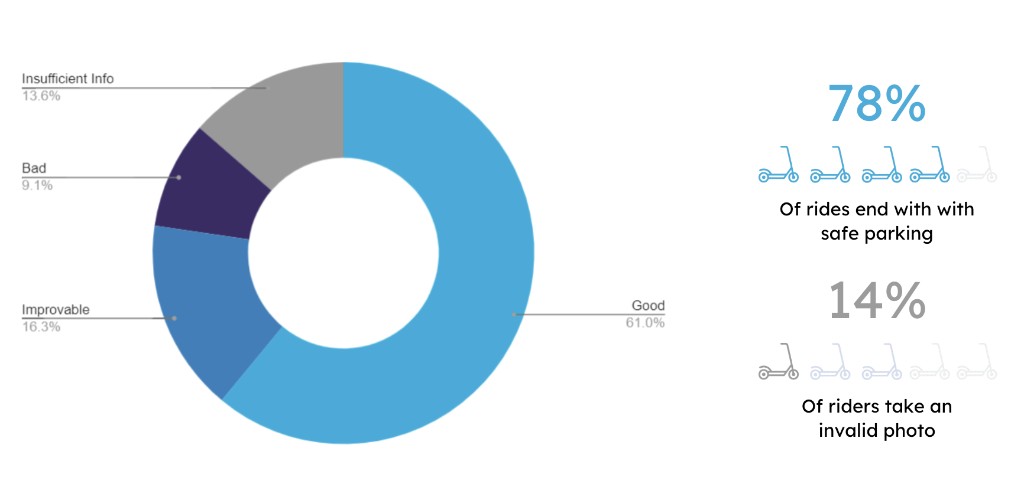
78%
of rides end with safe parking
80%
of bad parking tied to signage or lack of suitable parking spots
30
parking scenarios Captur can detect
3 seconds
typical time for parking feedback
Moving cities into a sustainable future
With an estimated 20 million users in Europe alone, micromobility is revolutionising transportation in cities.
Micromobility is already paving the way for decarbonised cities, with clear environmental and social benefits. However, as new modes of transport gain popularity, more vehicles on the road lead to greater safety risks. At Captur, we want to dig into the data to see just how well, or poorly, people park. Benefits: • Environmental impact on urban air quality and decarbonisation • Reduction of traffic and reduced burden on public transport in cities and towns • Efficient and accessible transportation Challenges: • Cities must evolve infrastructure to accommodate new modes of transportation • Vehicles cluttering streets and causing potential hazards for road users • Requires behaviour change of shifting away from cars and taxis in city centres
Keeping Paris the 15 minute city
The future of micromobility in Paris has been debated over the last few months, with concerns around e-scooters and e-bikes cluttering the streets. Captur wants to ensure the safe adoption of micromobility by utilising AI to give riders feedback on their parking in real time and to monitor potential high-risk areas in the city.
Parking in Paris
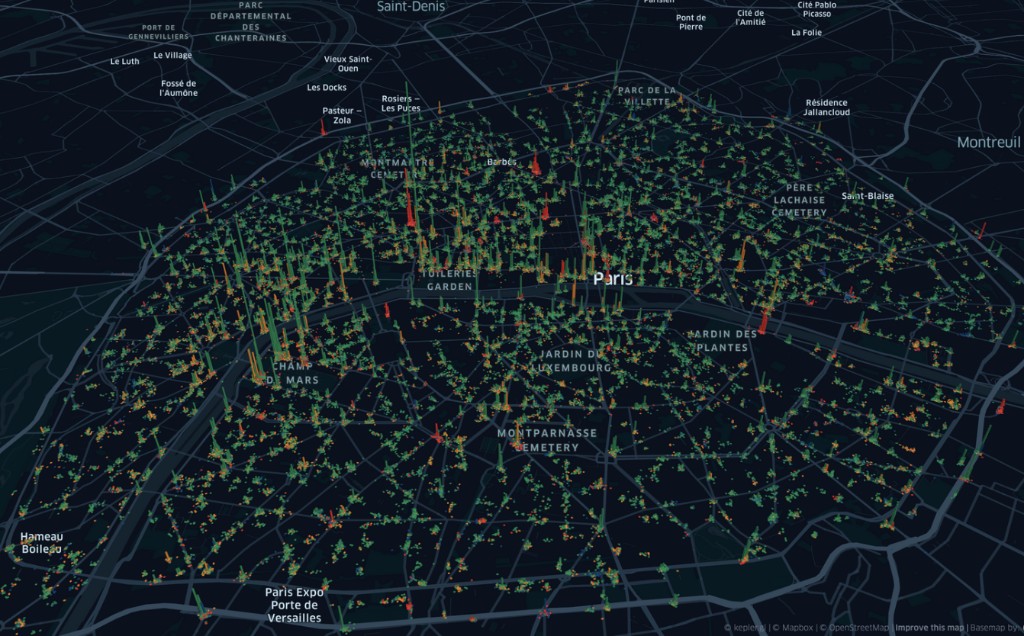
Distribution of rider parking across the city.
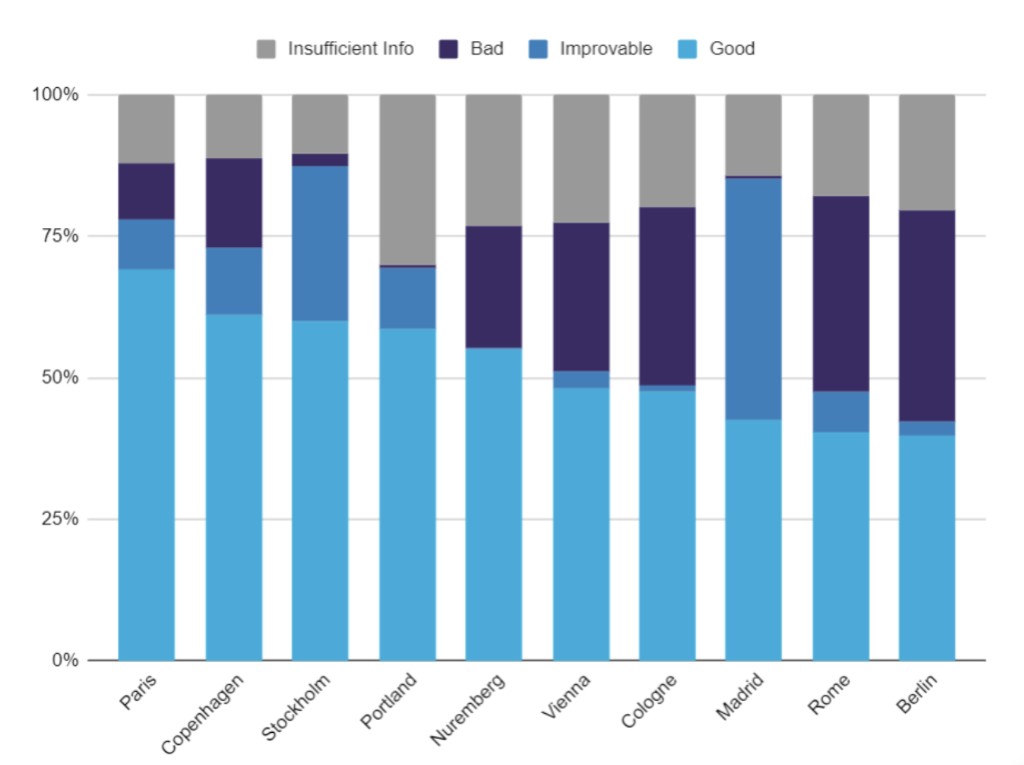
Parisians park better
According to our data, Parisians tend to park better (according to local restrictions) than many other European cities including Copenhagen, Rome and Madrid.
API + SDK user guidance
Our API returns a decision and detailed feedback based on the end-of-ride image. Our SDK provides real-time feedback to riders.
80% of bad parking in Paris is due to insufficient signage or a lack of sufficient parking spots
Over a four-month period, we identified areas of unsafe parking in Paris and what might be the cause of bad parking — riders or infrastructure?
Paris parking heat map
Our data is gathered from micromobility companies operating in Paris between October 2022 and February 2023.
Trends
What are the wins and challenges of micromobility in Paris?
Bad parking: The most frequent reasons for bad parking are when Parisians… • Park next to cars or other vehicles • Park in the road • Park outside of designated bays Good parking: Parisians are relatively good at: • Parking in the bay (when clearly marked) • Or in bike racks • Attempting to park in busy bays Insufficient information: Some photos are just not good enough: • Photos taken too close up to the scooter • Blurry or dark photos • No scooter visible in the photo
Recommendations
1. Install clear signage next to parking bays 2. Provide guidance to riders before they finish parking 3. Expand capacity and number of parking bays in high-risk areas
AI detection
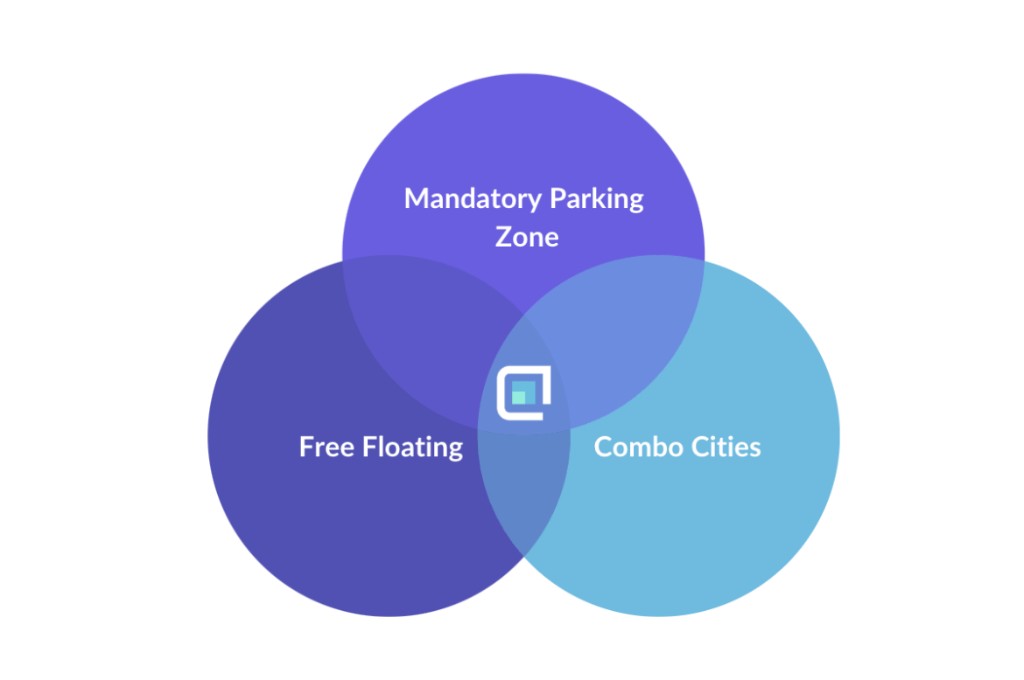
Our models work across multiple parking regulations, including free floating and mandatory parking zones, and provide feedback on parking within three seconds. Cities use different operating models — from purely free-floating schemes to mandatory parking bays or a mix of both. Captur trains and deploys models so the same on-device pipeline can enforce the rules that apply in each market.
How we classify parking
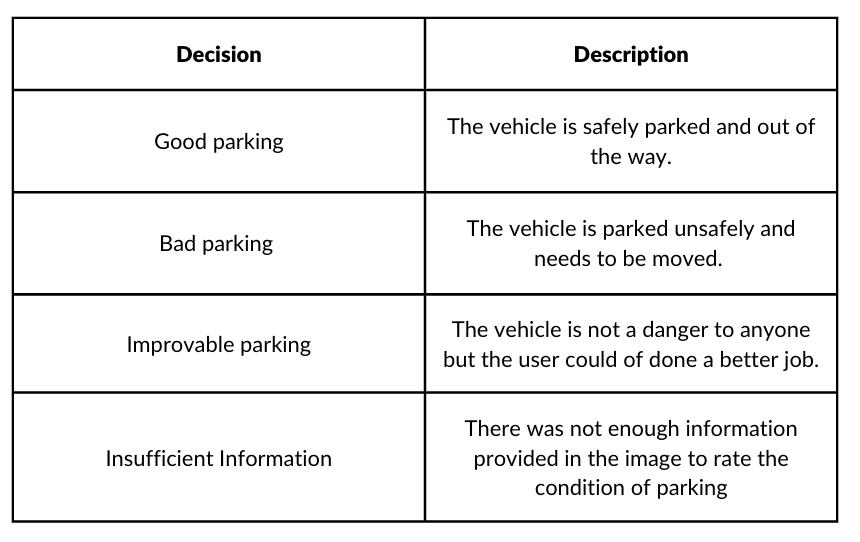
Each end-of-ride image is evaluated against local rules and returned as one of four outcomes: Good parking — the vehicle is safely parked and out of the way. Bad parking — the vehicle is parked unsafely and needs to be moved. Improvable parking — the vehicle is not a danger to anyone, but the rider could have parked more considerately. Insufficient information — there was not enough information in the image to rate the parking condition.
Parking scenarios
Captur can detect over 30 different parking scenarios
Here are just a few examples of the parking situations our models can recognise in the wild — from compliant bays and racks to hazards on the pavement or in the road, and common photo-quality issues that require a retake.

Conclusion
In Paris, most riders park responsibly. However, a joint effort is needed to address higher-risk hotspots.
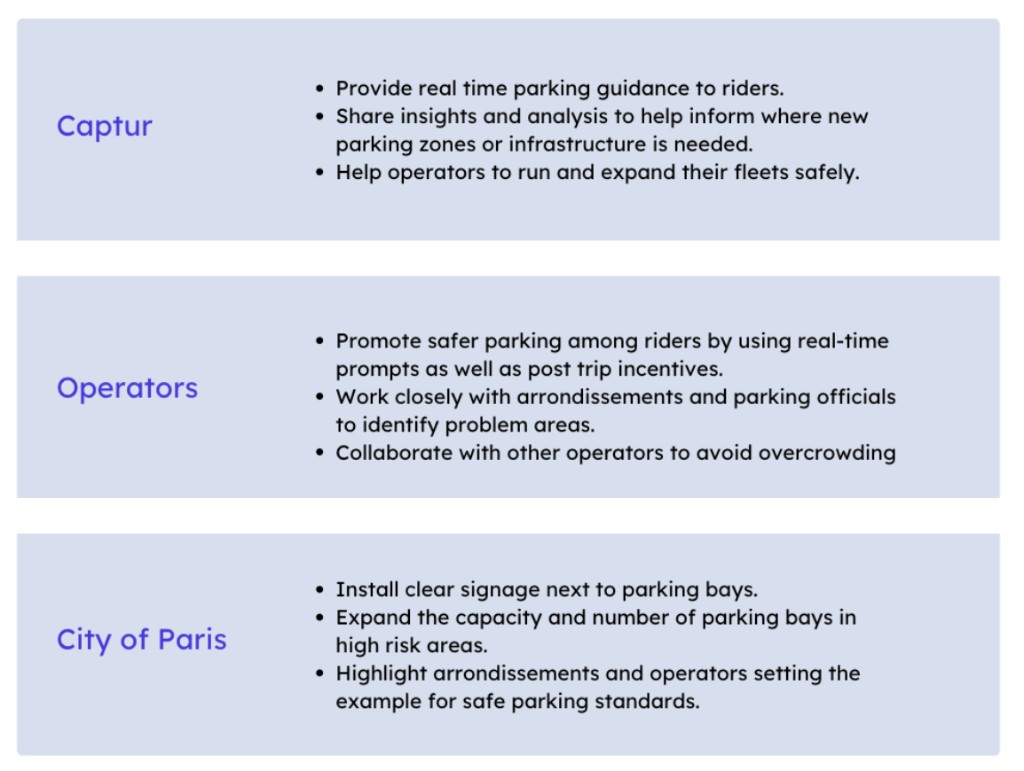
Captur • Provide real-time parking guidance to riders. • Share insights and analysis to help inform where new parking zones or infrastructure is needed. • Help operators run and expand their fleets safely. Operators • Promote safer parking among riders using real-time prompts as well as post-trip incentives. • Work closely with arrondissements and parking officials to identify problem areas. • Collaborate with other operators to avoid overcrowding. City of Paris • Install clear signage next to parking bays. • Expand the capacity and number of parking bays in high-risk areas. • Highlight arrondissements and operators setting the example for safe parking standards.


